
M.S. Sport Psychology
This graduate program is where science meets performance. It teaches you the science of sport psychology including mental skills, counseling strategies to use in consulting, how to develop sport psychology interventions, ways to make ethical decisions, and how to distinguish mental health and mental skills.
This program is offered online only.
PROGRAM OVERVIEW
Mindset is credited with being a large percentage of performance, yet it is not always understood or trained. Performers know what they did to “get their head in the game” or “stay resilient” during tough times. Sport psychology professionals know the science of why strategies work. They help performers train and refine motivation, confidence, resilience, self-talk, imagery, self-regulation, & pressure management.
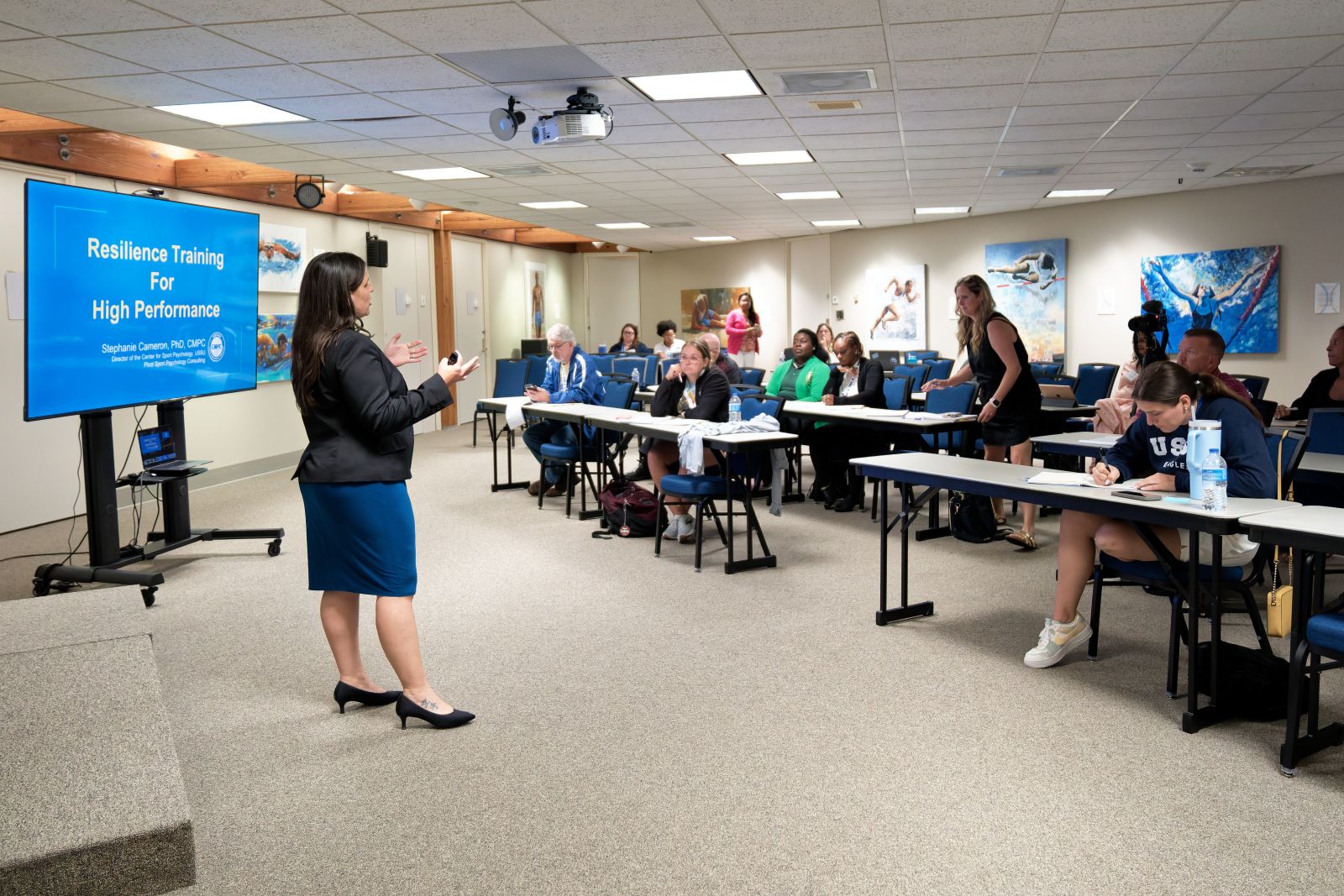
WHY CHOOSE THIS PROGRAM
Our M.S. in Sport Psychology program is built for the next generation of mental performance specialists. Students explore the cognitive, emotional, and behavioral skills that support high-level performance in sport, exercise, and allied domains. The curriculum aligns with the Association for Applied Sport Psychology (AASP)-required knowledge areas for Certified Mental Performance Consultant (CMPC) application. This provides a clear pathway for those pursuing certification through appropriate coursework and a portion (up to 200 hours) of the mentored hours.
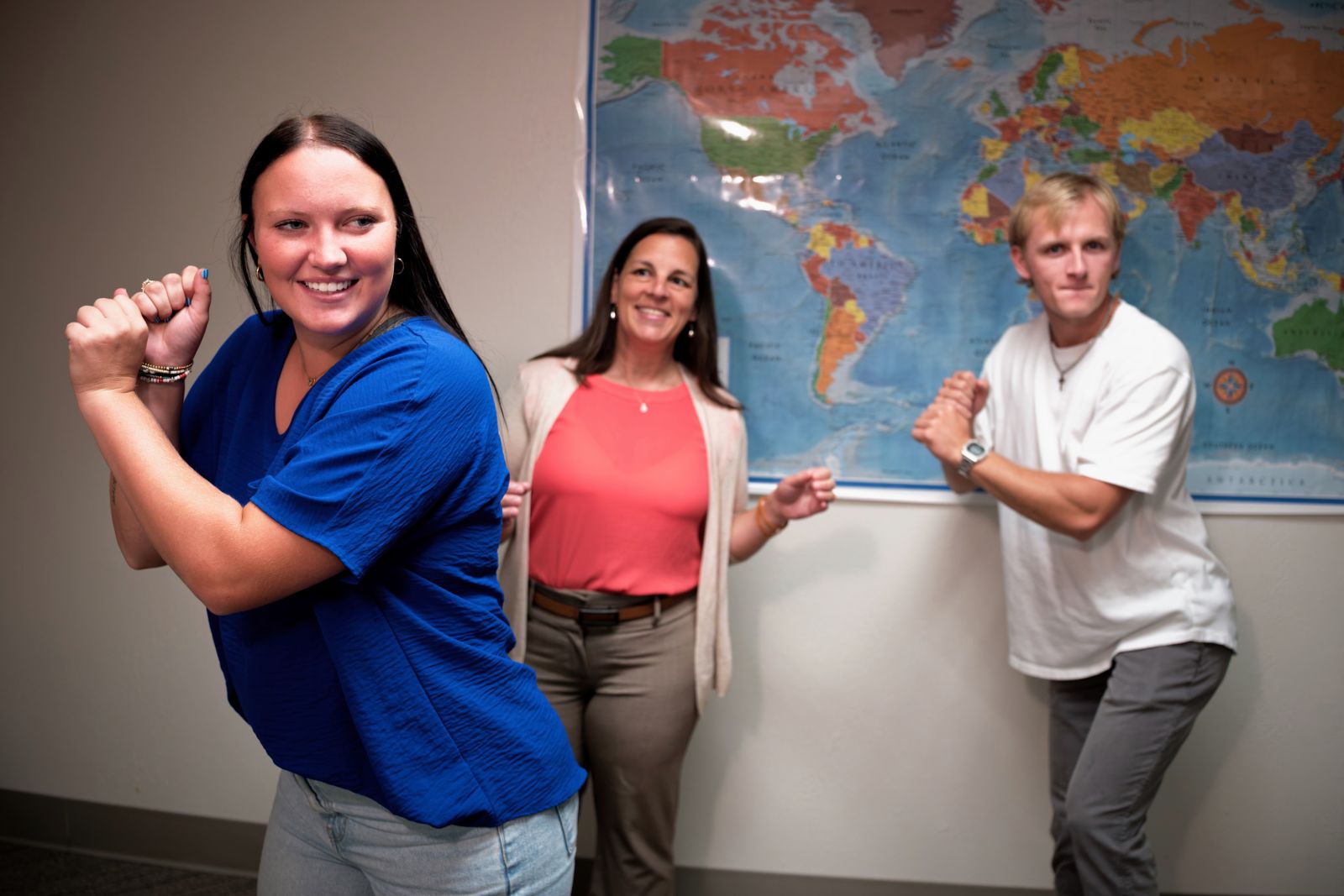
Learn from sports industry experts
Learn from experienced faculty who work in the field in private practice, elite sports, and academics; all graduate faculty hold the CMPC credential.
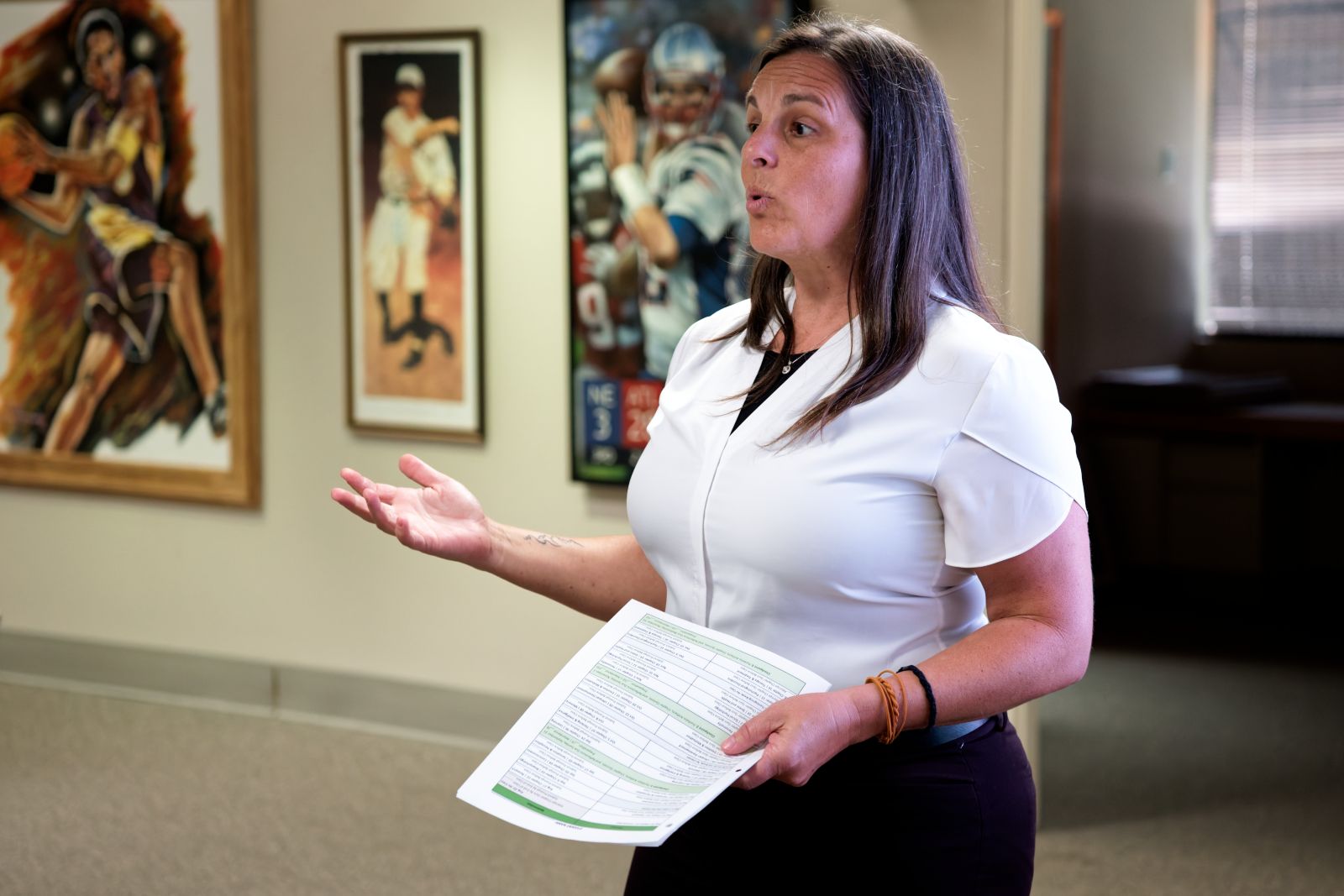
Get hands-on experience
PROGRAM OVERVIEW
Mindset is credited with being a large percentage of performance, yet it is not always understood or trained. Performers know what they did to “get their head in the game” or “stay resilient” during tough times. Sport psychology professionals know the science of why strategies work. They help performers train and refine motivation, confidence, resilience, self-talk, imagery, self-regulation, & pressure management.
WHY CHOOSE THIS PROGRAM
Our M.S. in Sport Psychology program is built for the next generation of mental performance specialists. Students explore the cognitive, emotional, and behavioral skills that support high-level performance in sport, exercise, and allied domains. The curriculum aligns with the Association for Applied Sport Psychology (AASP)-required knowledge areas for Certified Mental Performance Consultant (CMPC) application. This provides a clear pathway for those pursuing certification through appropriate coursework and a portion (up to 200 hours) of the mentored hours.
Learn from sports
industry experts
Learn from experienced faculty who work in the field in private practice, elite sports, and academics; all graduate faculty hold the CMPC credential.
Get hands-on experience
PROGRAM OVERVIEW
Mindset is credited with being a large percentage of performance, yet it is not always understood or trained. Performers know what they did to “get their head in the game” or “stay resilient” during tough times. Sport psychology professionals know the science of why strategies work. They help performers train and refine motivation, confidence, resilience, self-talk, imagery, self-regulation, & pressure management.
WHY CHOOSE THIS PROGRAM
Our M.S. in Sport Psychology program is built for the next generation of mental performance specialists. Students explore the cognitive, emotional, and behavioral skills that support high-level performance in sport, exercise, and allied domains. The curriculum aligns with the Association for Applied Sport Psychology (AASP)-required knowledge areas for Certified Mental Performance Consultant (CMPC) application. This provides a clear pathway for those pursuing certification through appropriate coursework and a portion (up to 200 hours) of the mentored hours.
Learn from sports
industry experts
Learn from experienced faculty who work in the field in private practice, elite sports, and academics; all graduate faculty hold the CMPC credential.
Get hands-on experience
M.S. Sport Psychology
This graduate program is where science meets performance. It teaches you the science of sport psychology including mental skills, counseling strategies to use in consulting, how to develop sport psychology interventions, ways to make ethical decisions, and how to distinguish mental health and mental skills.
This program is offered online only.
PROGRAM OVERVIEW
Mindset is credited with being a large percentage of performance, yet it is not always understood or trained. Performers know what they did to “get their head in the game” or “stay resilient” during tough times. Sport psychology professionals know the science of why strategies work. They help performers train and refine motivation, confidence, resilience, self-talk, imagery, self-regulation, & pressure management.
WHY CHOOSE THIS PROGRAM
Our M.S. in Sport Psychology program is built for the next generation of mental performance specialists. Students explore the cognitive, emotional, and behavioral skills that support high-level performance in sport, exercise, and allied domains. The curriculum aligns with the Association for Applied Sport Psychology (AASP)-required knowledge areas for Certified Mental Performance Consultant (CMPC) application. This provides a clear pathway for those pursuing certification through appropriate coursework and a portion (up to 200 hours) of the mentored hours.
Learn from sports industry experts
Learn from experienced faculty who work in the field in private practice, elite sports, and academics; all graduate faculty hold the CMPC credential.
Get hands-on experience
PROGRAM OVERVIEW
Mindset is credited with being a large percentage of performance, yet it is not always understood or trained. Performers know what they did to “get their head in the game” or “stay resilient” during tough times. Sport psychology professionals know the science of why strategies work. They help performers train and refine motivation, confidence, resilience, self-talk, imagery, self-regulation, & pressure management.
WHY CHOOSE THIS PROGRAM
Our M.S. in Sport Psychology program is built for the next generation of mental performance specialists. Students explore the cognitive, emotional, and behavioral skills that support high-level performance in sport, exercise, and allied domains. The curriculum aligns with the Association for Applied Sport Psychology (AASP)-required knowledge areas for Certified Mental Performance Consultant (CMPC) application. This provides a clear pathway for those pursuing certification through appropriate coursework and a portion (up to 200 hours) of the mentored hours.
Learn from sports
industry experts
Learn from experienced faculty who work in the field in private practice, elite sports, and academics; all graduate faculty hold the CMPC credential.
Get hands-on experience
PROGRAM OVERVIEW
Mindset is credited with being a large percentage of performance, yet it is not always understood or trained. Performers know what they did to “get their head in the game” or “stay resilient” during tough times. Sport psychology professionals know the science of why strategies work. Sport psychology professionals help performers train and refine motivation, confidence, resilience, self-talk, imagery, self-regulation, & pressure management.
WHY CHOOSE THIS PROGRAM
Our M.S. in Sport Psychology program is built for the next generation of mental performance specialists. Students explore the cognitive, emotional, and behavioral skills that support high-level performance in sport, exercise, and allied domains. The curriculum aligns with the Association for Applied Sport Psychology (AASP)-required knowledge areas for Certified Mental Performance Consultant (CMPC) application. This provides a clear pathway for those pursuing certification through appropriate coursework and a portion (up to 200 hours) of the mentored hours.
- One of the few online programs in the United States aligned with CMPC requirements and mentored hours
- USSU provides access to three CMPC registered mentors for up to 200 hours before graduation
- All current faculty also are actively practicing in applied settings.
Learn from sports
What you’ll Learn
• Theories and models surrounding mental skills
• Counseling strategies for working 1:1 with performers
• How to design interventions for individuals and teams
• Ethics and decision-making
• Self-reflection and awareness to build cultural competence
• Distinction between mental health and performance
Who This Program is for
This program is ideal for professionals and recent graduates who are passionate about the mental side of performance and want to make a measurable impact on athletes’ lives.
Ideal candidates include:
- Current coaches and trainers seeking to add mental performance expertise to their skillset and better support their athletes’ psychological development
- Athletes transitioning from competition who understand the mental demands of sport firsthand and want to help the next generation navigate performance pressure
- Exercise science or kinesiology graduates looking to specialize in the cognitive and emotional dimensions of human performance
- School counselors or teachers working with student-athletes who want to provide evidence-based mental skills training
- Fitness and wellness professionals interested in expanding their services to include mindset coaching and performance psychology
- Military personnel seeking to apply sport psychology principles to tactical performance and resilience training
- Aspiring researchers who want to contribute to the science of motivation, resilience, and optimal performance
Whether you’re building a private practice, seeking employment in collegiate or professional athletics, or planning to pursue doctoral study and CMPC certification, this program provides the knowledge base and supervised experience to advance your career in applied sport psychology.
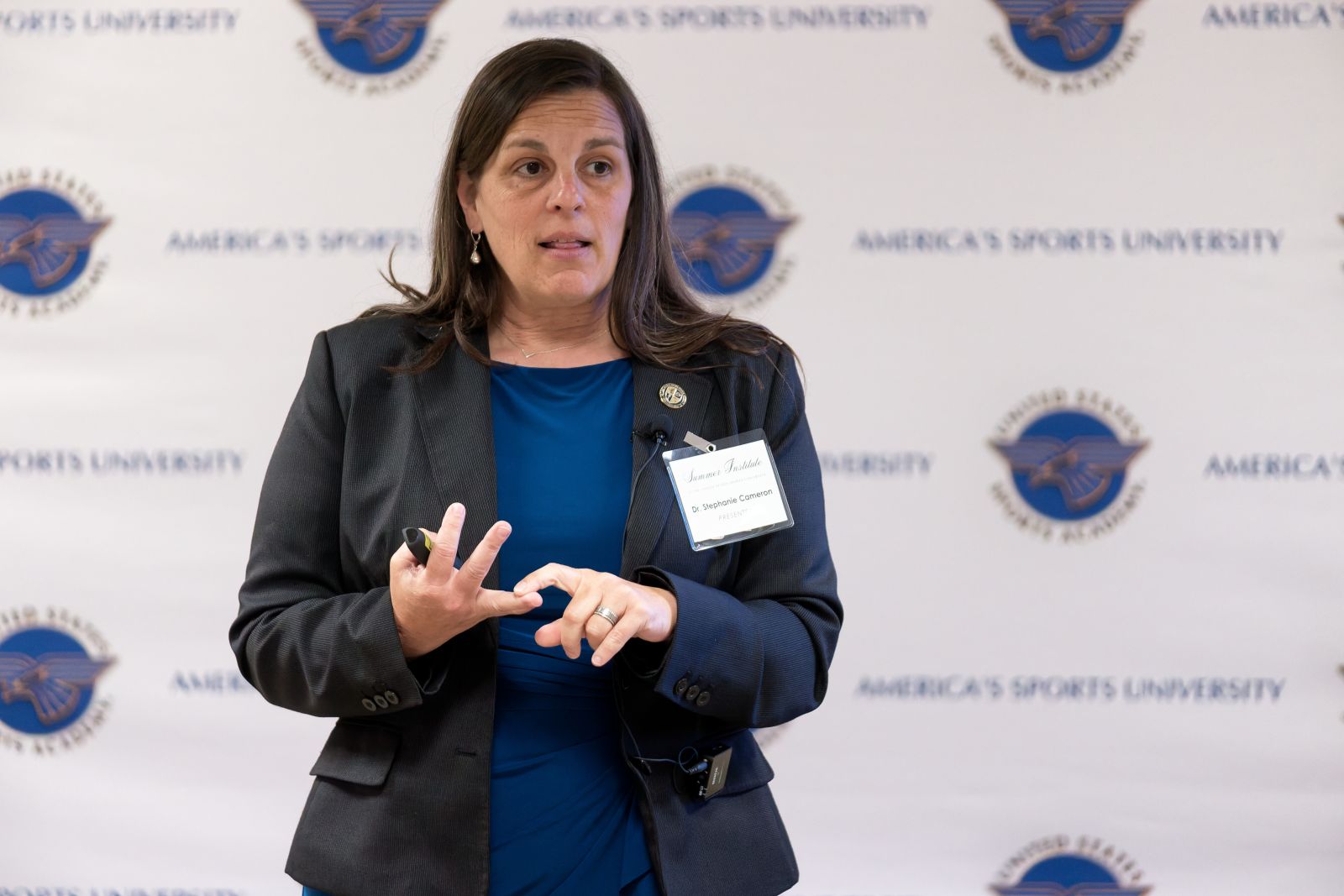
Certification Pathway
Certification within the field of sport psychology has become essential, with the CMPC often being required for many positions. The Certified Mental Performance Consultant (CMPC) credential is the gold standard in applied sport psychology and serves as a key differentiator when applying for jobs.
The M.S. in Sport Psychology at USSU has been specifically designed with a curriculum that aligns with the Association for Applied Sport Psychology (AASP) requirements for CMPC certification. Our program provides the coursework foundations across all required knowledge areas including counseling and communication skills, diversity and cultural competence, ethics and professional standards, intervention and performance enhancement, and professional practice. Students who successfully complete our program will be prepared to begin applying for CMPC certification and finish accruing the required mentored experience hours.
Certification decisions are made by AASP. USSU does not award the CMPC credential and students are responsible for ensuring their coursework aligns with CMPC-K8 areas, retaining all syllabi, and ensuring mentored hours are done under the supervision of a registered mentor following all AASP guidelines.
Careers In SPORT PSYCHOLOGY
Graduates with a master’s in sport psychology are prepared for advanced roles in mental performance consulting, athletic departments, military and tactical performance settings, and private practice. Career opportunities include mental performance coaching, sport psychology consulting, and leadership roles in athlete development and organizational performance. This degree enhances earning potential and positions professionals for higher-level responsibilities in collegiate athletics, professional sports, clinical sport psychology, and research environments and include:
Mental Performance Consultant • Mental Skills Coach • Collegiate or Professional Athletics Mental Performance Staff • Military Cognitive Performance Specialist
Want to see real jobs in the field?
Check the chart below for jobs from real employers with salaries straight from the listing.
Updated May 2026
Updated May 2026
Certification Pathway
Certification within the field of sport psychology has become essential, with the CMPC often being required for many positions. The Certified Mental Performance Consultant (CMPC) credential is the gold standard in applied sport psychology and serves as a key differentiator when applying for jobs.
The M.S. in Sport Psychology at USSU has been specifically designed with a curriculum that aligns with the Association for Applied Sport Psychology (AASP) requirements for CMPC certification. Our program provides the coursework foundations across all required knowledge areas including counseling and communication skills, diversity and cultural competence, ethics and professional standards, intervention and performance enhancement, and professional practice. Students who successfully complete our program will be prepared to begin applying for CMPC certification and finish accruing the required mentored experience hours.
Certification decisions are made by AASP. USSU does not award the CMPC credential and students are responsible for ensuring their coursework aligns with CMPC-K8 areas, retaining all syllabi, and ensuring mentored hours are done under the supervision of a registered mentor following all AASP guidelines.
M.S. Sport Psychology
This graduate program is where science meets performance. It teaches you the science of sport psychology including mental skills, counseling strategies to use in consulting, how to develop sport psychology interventions, ways to make ethical decisions, and how to distinguish mental health and mental skills.
PROGRAM OVERVIEW
Mindset is credited with being a large percentage of performance, yet it is not always understood or trained. Performers know what they did to “get their head in the game” or “stay resilient” during tough times. Sport psychology professionals know the science of why strategies work. They help performers train and refine motivation, confidence, resilience, self-talk, imagery, self-regulation, & pressure management.
WHY CHOOSE THIS PROGRAM
Our M.S. in Sport Psychology program is built for the next generation of mental performance specialists. Students explore the cognitive, emotional, and behavioral skills that support high-level performance in sport, exercise, and allied domains. The curriculum aligns with the Association for Applied Sport Psychology (AASP)-required knowledge areas for Certified Mental Performance Consultant (CMPC) application. This provides a clear pathway for those pursuing certification through appropriate coursework and a portion (up to 200 hours) of the mentored hours.
Learn from sports industry experts
Learn from experienced faculty who work in the field in private practice, elite sports, and academics; all graduate faculty hold the CMPC credential.
Get hands-on experience
PROGRAM OVERVIEW
Mindset is credited with being a large percentage of performance, yet it is not always understood or trained. Performers know what they did to “get their head in the game” or “stay resilient” during tough times. Sport psychology professionals know the science of why strategies work. They help performers train and refine motivation, confidence, resilience, self-talk, imagery, self-regulation, & pressure management.
WHY CHOOSE THIS PROGRAM
Our M.S. in Sport Psychology program is built for the next generation of mental performance specialists. Students explore the cognitive, emotional, and behavioral skills that support high-level performance in sport, exercise, and allied domains. The curriculum aligns with the Association for Applied Sport Psychology (AASP)-required knowledge areas for Certified Mental Performance Consultant (CMPC) application. This provides a clear pathway for those pursuing certification through appropriate coursework and a portion (up to 200 hours) of the mentored hours.
Learn from sports
industry experts
Learn from experienced faculty who work in the field in private practice, elite sports, and academics; all graduate faculty hold the CMPC credential.
Get hands-on experience
PROGRAM OVERVIEW
Mindset is credited with being a large percentage of performance, yet it is not always understood or trained. Performers know what they did to “get their head in the game” or “stay resilient” during tough times. Sport psychology professionals know the science of why strategies work.
Sport psychology professionals help performers train and refine motivation, confidence, resilience, self-talk, imagery, self-regulation, & pressure management.
WHY CHOOSE THIS PROGRAM
Our M.S. in Sport Psychology program is built for the next generation of mental performance specialists. Students explore the cognitive, emotional, and behavioral skills that support high-level performance in sport, exercise, and allied domains. The curriculum aligns with the Association for Applied Sport Psychology (AASP)-required knowledge areas for Certified Mental Performance Consultant (CMPC) application. This provides a clear pathway for those pursuing certification through appropriate coursework and a portion (up to 200 hours) of the mentored hours.
- One of the few online programs in the United States aligned with CMPC requirements and mentored hours
- USSU provides access to three CMPC registered mentors for up to 200 hours before graduation
- All current faculty also are actively practicing in applied settings.
Learn from sports
What you’ll Learn
• Theories and models surrounding mental skills
• Counseling strategies for working 1:1 with performers
• How to design interventions for individuals and teams
• Ethics and decision-making
• Self-reflection and awareness to build cultural competence
• Distinction between mental health and performance
Who This Program is for
This program is ideal for professionals and recent graduates who are passionate about the mental side of performance and want to make a measurable impact on athletes’ lives.
Ideal candidates include:
- Current coaches and trainers seeking to add mental performance expertise to their skillset and better support their athletes’ psychological development
- Athletes transitioning from competition who understand the mental demands of sport firsthand and want to help the next generation navigate performance pressure
- Exercise science or kinesiology graduates looking to specialize in the cognitive and emotional dimensions of human performance
- School counselors or teachers working with student-athletes who want to provide evidence-based mental skills training
- Fitness and wellness professionals interested in expanding their services to include mindset coaching and performance psychology
- Military personnel seeking to apply sport psychology principles to tactical performance and resilience training
- Aspiring researchers who want to contribute to the science of motivation, resilience, and optimal performance
Whether you’re building a private practice, seeking employment in collegiate or professional athletics, or planning to pursue doctoral study and CMPC certification, this program provides the knowledge base and supervised experience to advance your career in applied sport psychology.
Certification Pathway
Certification within the field of sport psychology has become essential, with the CMPC often being required for many positions. The Certified Mental Performance Consultant (CMPC) credential is the gold standard in applied sport psychology and serves as a key differentiator when applying for jobs.
The M.S. in Sport Psychology at USSU has been specifically designed with a curriculum that aligns with the Association for Applied Sport Psychology (AASP) requirements for CMPC certification. Our program provides the coursework foundations across all required knowledge areas including counseling and communication skills, diversity and cultural competence, ethics and professional standards, intervention and performance enhancement, and professional practice. Students who successfully complete our program will be prepared to begin applying for CMPC certification and finish accruing the required mentored experience hours.
Certification decisions are made by AASP. USSU does not award the CMPC credential and students are responsible for ensuring their coursework aligns with CMPC-K8 areas, retaining all syllabi, and ensuring mentored hours are done under the supervision of a registered mentor following all AASP guidelines.
Careers In SPORT PSYCHOLOGY
Graduates with a master’s in sport psychology are prepared for advanced roles in mental performance consulting, athletic departments, military and tactical performance settings, and private practice. Career opportunities include mental performance coaching, sport psychology consulting, and leadership roles in athlete development and organizational performance. This degree enhances earning potential and positions professionals for higher-level responsibilities in collegiate athletics, professional sports, clinical sport psychology, and research environments and include:
Mental Performance Consultant • Mental Skills Coach • Collegiate or Professional Athletics Mental Performance Staff • Military Cognitive Performance Specialist
Want to see real jobs in the field?
Check the chart below for jobs from real employers with salaries straight from the listing.
Updated May 2026
| Mental Performance Coach | Assistant Professor, Sport & Exercise Psychology |
Assistant Professor, Sport & Exercise Psychology |
Mental Performance Coach |
Cognitive Performance Specialist |
|---|---|---|---|---|
| Major League Baseball (MLB) | Springfield College | California State University | IMG Academy+ | KBR (contractor for U.S. Army) |
| Salary: Not publicly listed (MLB mental skills coaches typically $60,000–$100,000+) |
Salary: $55,000–$63,000 annually (9-month academic appointment) |
Salary: $77,490–$86,100 annually (dependent on qualifications) |
Estimated $44,600–$60,300 annually (part-time, based on qualifications) |
Salary: $83,927–$113,549 (based on experience and location) |
| Requirements: Master’s degree in Sport Psychology, CMPC certification, follow AASP ethical standards | Requirements: Doctoral degree preferred, CMPC certification required or in progress | Requirements: Doctoral degree, CMPC certification preferred, tenure-track position | Requirements: Master’s degree in Sport Psychology or related field, AASP CMPC certification, 1:1 virtual coaching experience with student-athletes | Requirements: Master’s degree in Sport Psychology, Counseling Psychology, Kinesiology, or related field; CMPC certification preferred or ability to obtain within 2 years; teaching/coaching experience with military/DOD personnel preferred; must complete Army Master Resilience Training Course |
| Mental Performance Coach | Assistant Professor, Sport & Exercise Psychology |
Assistant Professor, Sport & Exercise Psychology |
Mental Performance Coach |
Cognitive Performance Specialist |
|---|---|---|---|---|
| Major League Baseball (MLB) | Springfield College | California State University | IMG Academy+ | KBR (contractor for U.S. Army) |
| Salary: Not publicly listed (MLB mental skills coaches typically $60,000–$100,000+) |
Salary: $55,000–$63,000 annually (9-month academic appointment) |
Salary: $77,490–$86,100 annually (dependent on qualifications) |
Estimated $44,600–$60,300 annually (part-time, based on qualifications) |
Salary: $83,927–$113,549 (based on experience and location) |
| Requirements: Master’s degree in Sport Psychology, CMPC certification, follow AASP ethical standards | Requirements: Doctoral degree preferred, CMPC certification required or in progress | Requirements: Doctoral degree, CMPC certification preferred, tenure-track position | Requirements: Master’s degree in Sport Psychology or related field, AASP CMPC certification, 1:1 virtual coaching experience with student-athletes | Requirements: Master’s degree in Sport Psychology, or related field; CMPC certification preferred; teaching/coaching experience with military/DOD personnel preferred |
An overview with Dr. Cameron
An overview with Dr. Cameron
Courses
Courses
Courses
CMPC Certification Pathway (Non-Degree Option)
Careers In SPORT PSYCHOLOGY
Graduates with a master’s in sport psychology are prepared for advanced roles in mental performance consulting, athletic departments, military and tactical performance settings, and private practice. Career opportunities include mental performance coaching, sport psychology consulting, and leadership roles in athlete development and organizational performance. This degree enhances earning potential and positions professionals for higher-level responsibilities in collegiate athletics, professional sports, clinical sport psychology, and research environments and include:
Mental Performance Consultant • Mental Skills Coach • Collegiate or Professional Athletics Mental Performance Staff • Military Cognitive Performance Specialist
Want to see real jobs in the field?
Check the chart below for jobs from real employers with salaries straight from the listing.
Updated May 2026
| Mental Performance Coach | Assistant Professor, Sport & Exercise Psychology |
Assistant Professor, Sport & Exercise Psychology |
Mental Performance Coach |
Cognitive Performance Specialist |
|---|---|---|---|---|
| Major League Baseball (MLB) | Springfield College | California State University | IMG Academy+ | KBR (contractor for U.S. Army) |
| Salary: Not publicly listed (MLB mental skills coaches typically $60,000–$100,000+) |
Salary: $55,000–$63,000 annually (9-month academic appointment) |
Salary: $77,490–$86,100 annually (dependent on qualifications) |
Estimated $44,600–$60,300 annually (part-time, based on qualifications) |
Salary: $83,927–$113,549 (based on experience and location) |
| Requirements: Master’s degree in Sport Psychology, CMPC certification, follow AASP ethical standards | Requirements: Doctoral degree preferred, CMPC certification required or in progress | Requirements: Doctoral degree, CMPC certification preferred, tenure-track position | Requirements: Master’s degree in Sport Psychology or related field, AASP CMPC certification, 1:1 virtual coaching experience with student-athletes | Requirements: Master’s degree in Sport Psychology, Counseling Psychology, Kinesiology, or related field; CMPC certification preferred or ability to obtain within 2 years; teaching/coaching experience with military/DOD personnel preferred; must complete Army Master Resilience Training Course |
Courses
Affordability
Our master’s programs are designed to advance your career, whether you’re transitioning from undergraduate studies or returning as a working professional. We offer affordable per-credit-hour tuition, zero out-of-state tuition fees, and an opportunity to earn your master’s degree in as little as 15 months.
