
World Cup 2026 Ticket Pricing Controversy
June 30, 2026
World Cup Ticket Pricing Controversy
By Dr. Cristian Zaharia, OLY
The FIFA World Cup 2026 is the largest and most commercially ambitious tournament in football history, featuring 48 teams, 104 matches, and three host nations. While FIFA is expected to generate record-breaking revenues through media rights, sponsorship, hospitality, and ticket sales, the tournament has become increasingly controversial because of dynamic ticket pricing and escalating consumer costs. Simultaneously, the event highlights the growing importance of global sponsorship activation as brands seek meaningful engagement with fans rather than simple logo exposure. Drawing upon contemporary sport economics literature, recent reporting on FIFA’s ticketing policies, and emerging sponsorship research, this paper examines the intersection of revenue maximization, sponsorship effectiveness, consumer fairness, and fan accessibility. The analysis suggests that although FIFA’s commercial strategies are economically rational, excessive emphasis on monetization risks weakening fan trust, reducing accessibility, and altering the traditional identity of the World Cup as a global celebration of sport.
A Little Background
The FIFA World Cup has historically represented one of the most inclusive sporting spectacles in the world, bringing together supporters from diverse economic, cultural, and geographic backgrounds. However, the 2026 tournament hosted by the United States, Canada, and Mexico illustrates a significant shift toward sophisticated revenue optimization strategies that mirror those found in professional entertainment and luxury experiences.
Ticket pricing has emerged as one of the most controversial aspects of the tournament. Reports indicate that FIFA’s adoption of dynamic pricing has caused ticket values to fluctuate significantly based on demand, resulting in prices substantially higher than those observed in previous World Cups. FIFA President Gianni Infantino publicly defended the strategy, arguing that ticket demand remained strong and that prices were consistent with North American sports and entertainment markets (USA Today, 2026). Yet critics contend that the new pricing structure threatens the accessibility traditionally associated with international football.
At the same time, FIFA World Cup 2026 is attracting unprecedented corporate investment. Sponsorship agreements with global brands continue to expand as the tournament offers access to billions of viewers worldwide. Recent scholarship on sponsorship effectiveness suggests that corporations increasingly seek long-term consumer relationships and emotional engagement rather than simple brand exposure (Cornwell, 2026). Consequently, the World Cup provides an important case study for examining how modern sport organizations balance commercial objectives with social responsibility.
The Evolving Business Model of the FIFA World Cup
The World Cup has evolved from a sporting competition into a complex global entertainment platform. Revenue generated through broadcasting rights, sponsorship agreements, hospitality packages, licensing, and ticket sales has transformed FIFA into one of the wealthiest organizations in international sport.
Traditional economic theory suggests that organizations should price products according to demand to maximize revenue. Given the finite supply of World Cup tickets and extraordinary global demand, premium pricing appears economically rational. FIFA’s decision to implement dynamic pricing reflects modern revenue management strategies commonly used by airlines, hotels, and entertainment venues.
However, global sporting events differ from conventional commercial products because they possess substantial cultural and emotional significance. Unlike standard consumer goods, the World Cup represents national identity, shared experiences, and collective celebrations. Consequently, commercial decisions often face greater scrutiny from stakeholders who perceive football as a public cultural asset rather than a purely market-driven commodity.
Dynamic Pricing and the Ticketing Controversy
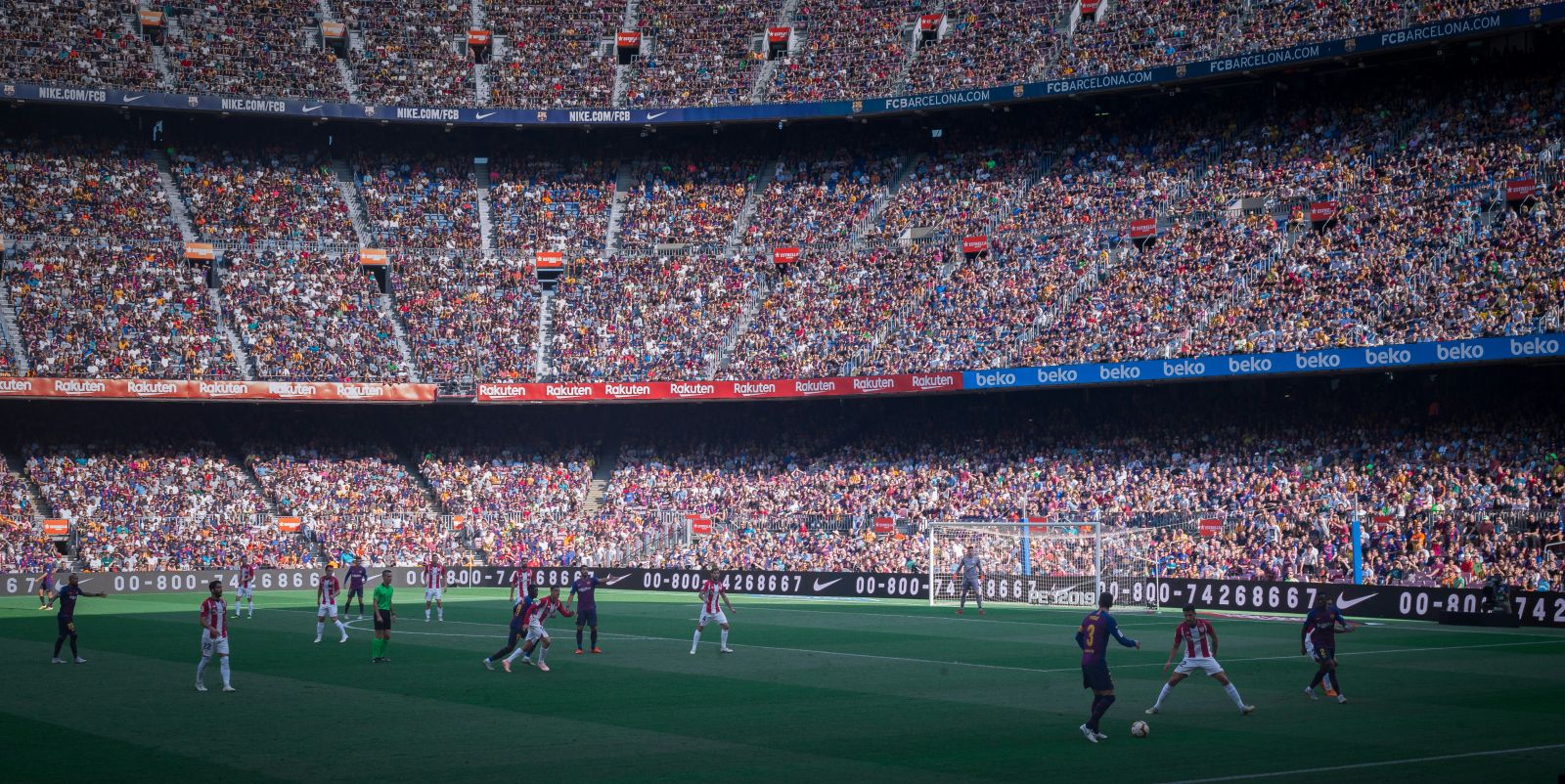
For the first time in World Cup history, FIFA adopted a dynamic pricing model in which ticket prices adjust according to market demand. Under this system, consumers encounter fluctuating prices that may increase substantially as interest rises.
FIFA has defended this approach by claiming it reflects standard marketplace behavior and helps prevent excessive profits from being captured by secondary ticket resellers. According to public statements from FIFA leadership, maintaining higher primary-market prices enables the organization rather than brokers to capture the economic value generated by demand.
From a revenue management perspective, dynamic pricing is supported by substantial academic research. Demand-based pricing allows organizations to maximize consumer surplus capture and optimize inventory management (Drayer & Shapiro, 2012). Yet recent reporting revealed that even with elevated prices, a significant number of tickets remained available shortly before tournament matches began, raising questions concerning the effectiveness of FIFA’s pricing strategy.
Critics argue that dynamic pricing introduces uncertainty into the purchasing process and places considerable financial burdens on fans. Unlike previous tournaments where prices were relatively stable and predictable, supporters now face fluctuating costs resembling airline fares. This shift has fundamentally altered how consumers plan attendance and evaluate affordability.
Fan Fairness, Trust, and Accessibility
Research consistently demonstrates that consumers evaluate prices not only based on their absolute value but also according to perceptions of fairness. When pricing changes dramatically or appears inconsistent, consumers often perceive the practice as exploitative (Haws & Bearden, 2006).
This issue is particularly important in sport because fan relationships extend beyond transactional exchanges. Supporters develop emotional attachments that frequently span generations. As a result, pricing decisions can significantly affect long-term loyalty and trust.
The 2026 World Cup has generated criticism because many supporters believe the tournament is becoming increasingly exclusive. Although FIFA introduced a limited number of lower-cost tickets for supporter groups, critics contend that the overall pricing framework disproportionately favors affluent spectators and corporate clientele.
This concern illustrates a broader tension between economic efficiency and social equity. While maximizing revenue may satisfy financial objectives, excessive pricing risks excluding traditional supporters who have historically constituted the cultural foundation of the event.
USSU applauds these students for their dedication and commitment to academic success. Their achievements reflect the University’s mission to prepare leaders in sport through education, research, and service.
Sponsorships and the Pursuit of Commercial Value
Research consistently demonstrates that consumers evaluate prices not only based on their absolute value but also according to perceptions of fairness. When pricing changes dramatically or appears inconsistent, consumers often perceive the practice as exploitative (Haws & Bearden, 2006).
This issue is particularly important in sport because fan relationships extend beyond transactional exchanges. Supporters develop emotional attachments that frequently span generations. As a result, pricing decisions can significantly affect long-term loyalty and trust.
The 2026 World Cup has generated criticism because many supporters believe the tournament is becoming increasingly exclusive. Although FIFA introduced a limited number of lower-cost tickets for supporter groups, critics contend that the overall pricing framework disproportionately favors affluent spectators and corporate clientele.
This concern illustrates a broader tension between economic efficiency and social equity. While maximizing revenue may satisfy financial objectives, excessive pricing risks excluding traditional supporters who have historically constituted the cultural foundation of the event.
The debate over ticket pricing coincides with another important commercial development: the transformation of sponsorship strategy.
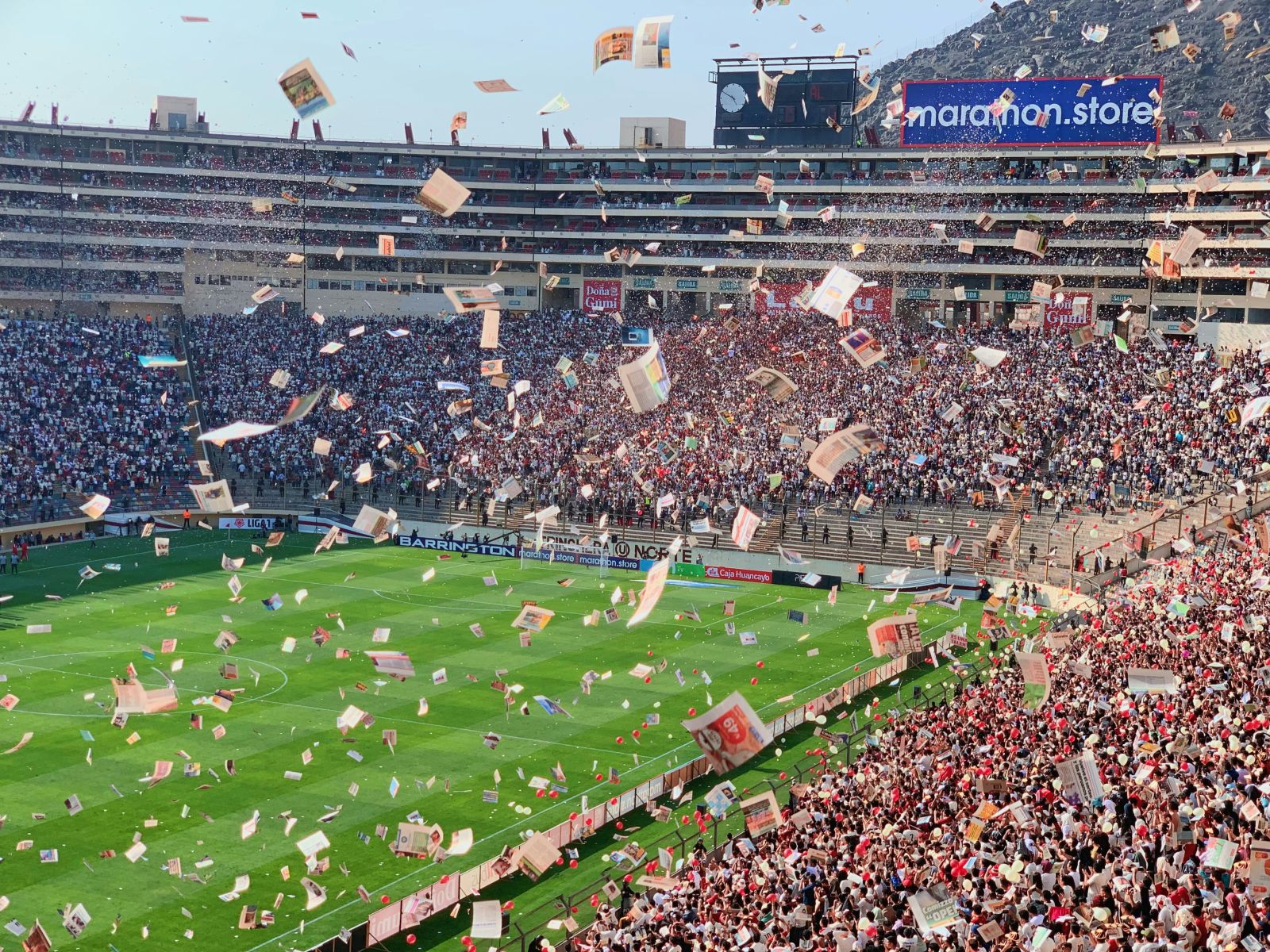
According to recent Harvard Business Review research, many brands continue to overestimate the importance of visible sponsorship assets such as logos, naming rights, and advertising impressions. Instead, the most successful sponsorship programs create meaningful emotional connections between consumers, brands, and sporting events (Cornwell, 2026). Search results describing the June 2026 HBR article emphasize that firms generate greater long-term value through authentic participation, experiential engagement, and trust-building rather than simple visibility metrics. [store.hbr.org], [hbsp.harvard.edu]
For FIFA World Cup 2026, this finding is especially significant. Sponsors are investing billions of dollars to associate themselves with football’s most prestigious event. However, sponsorship effectiveness increasingly depends upon fan sentiment. If consumers perceive the tournament as overly commercialized or financially inaccessible, sponsor investments may generate weaker emotional returns despite enormous global exposure.
The sponsorship literature therefore suggests that brands linked to the World Cup should focus on enhancing fan experiences, supporting access initiatives, and creating authentic community engagement programs. Such approaches are more likely to foster lasting consumer relationships than traditional exposure-driven strategies.
USSU applauds these students for their dedication and commitment to academic success. Their achievements reflect the University’s mission to prepare leaders in sport through education, research, and service.
Commercialization and the Future Identity of the World Cup
The simultaneous growth of sponsorship revenue and premium ticket pricing reflects a broader trend toward the commercialization of elite sport. FIFA’s business strategy mirrors developments across North American professional sports, where data analytics, dynamic pricing, and premium experiences have become standard practices.
Nevertheless, football occupies a unique social position as the world’s most popular sport. Its legitimacy depends partly upon accessibility and inclusivity. If attendance increasingly becomes a privilege reserved for those with significant financial resources, the event’s cultural meaning could gradually change.
This challenge extends beyond FIFA. Sport managers worldwide must confront questions regarding the appropriate balance between profitability and public value. Organizations that prioritize short-term financial gains at the expense of fan relationships may ultimately weaken brand equity and stakeholder trust.
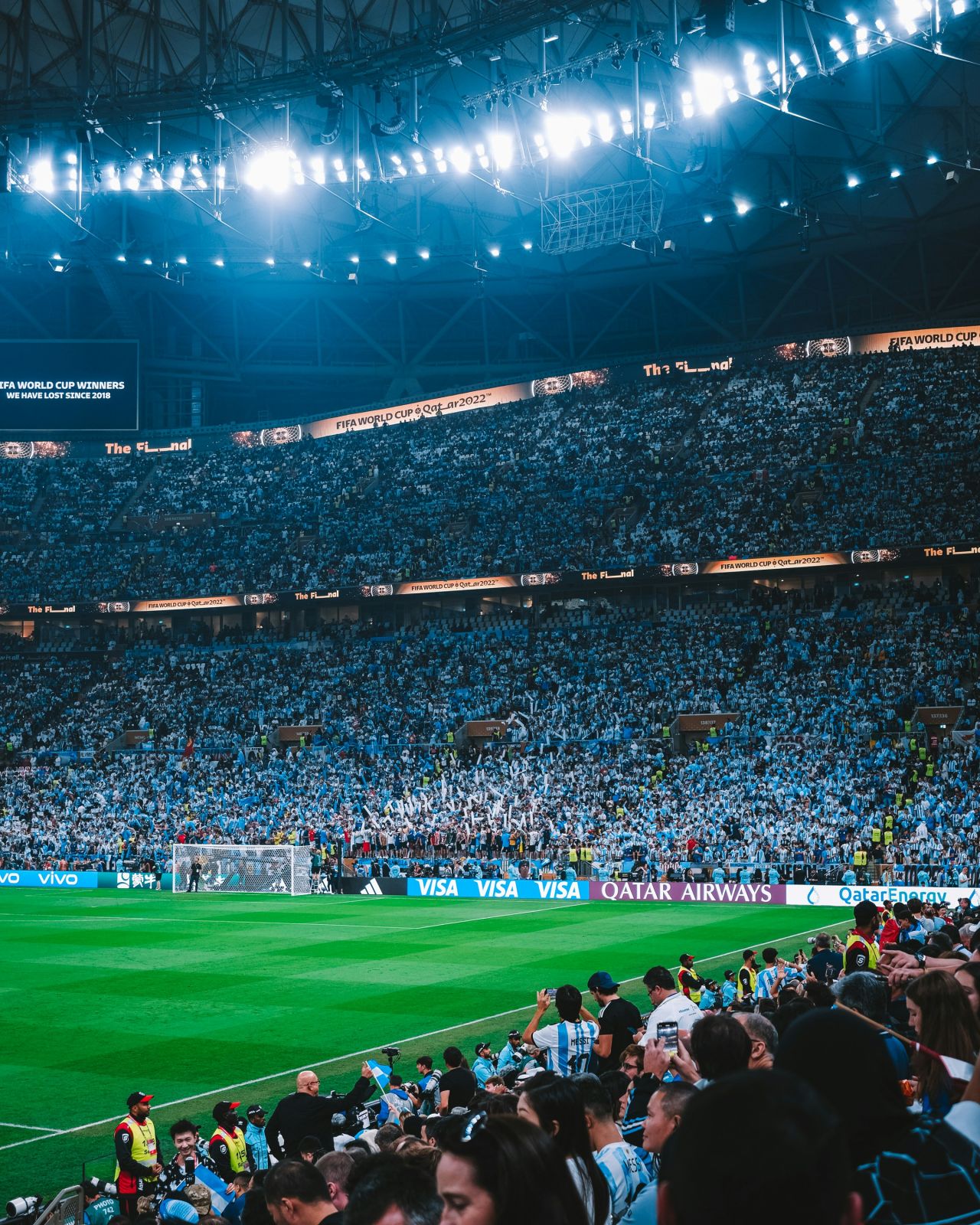
The difference in ticket pricing between the 2022 FIFA World Cup in Qatar and the 2026 FIFA World Cup in the United States, Canada, and Mexico highlights how dramatically FIFA’s commercialization strategy has evolved. According to publicly reported FIFA ticket data, ticket prices for the 2022 World Cup in Qatar ranged from approximately $69 for group-stage matches to $1,607 for the final, making the tournament relatively accessible for a broad range of international supporters. By comparison, FIFA announced 2026 World Cup ticket prices beginning at approximately $140 for some group-stage matches, while regular seats for the final were initially listed at $8,680, later increasing to $10,990 and even $32,970 for certain categories. Hospitality packages reached as high as $73,200, creating a significant financial barrier for many fans (Associated Press, 2026; USA Today, 2026).
The pricing gap reflects more than inflation or increased operational costs; it represents a fundamental shift toward demand-based revenue optimization. FIFA has justified these higher prices by arguing that the North American sports market routinely supports premium ticket pricing and that higher primary-market prices reduce profits earned by ticket resellers (Associated Press, 2026). However, critics argue that the increase has changed who can realistically attend World Cup matches. While the Qatar tournament maintained a pricing structure that allowed greater participation from average supporters, the 2026 model increasingly resembles premium entertainment pricing, potentially limiting access for lower- and middle-income fans (Lopopolo, 2026). As a result, the debate surrounding the 2026 World Cup is not simply about economics but about whether football’s largest event can remain a truly global and inclusive celebration while pursuing record-breaking revenues (Associated Press, 2026; Lopopolo, 2026).

Conclusion
The debate surrounding FIFA World Cup 2026 ticket prices goes beyond economics—it raises important questions about who gets to be part of the world’s biggest sporting event. While dynamic pricing and premium ticket strategies may help FIFA increase revenue and meet strong market demand, the World Cup has never been just a business venture. For millions of fans around the world, it represents passion, culture, national pride, and a once-in-a-lifetime opportunity to experience football on its grandest stage.
As FIFA and its corporate partners continue to expand the commercial value of the tournament, they must remember that the event’s greatest strength lies in its global accessibility. The World Cup was built on the idea that people from all backgrounds, regardless of income, nationality, or social status, could come together through a shared love of the game. When ticket prices place attendance beyond the reach of ordinary supporters, the tournament risks losing part of what makes it special.
Similarly, sponsors will achieve the greatest long-term value not simply through visibility, but by helping create meaningful and inclusive experiences for fans. Supporting accessibility initiatives, affordable ticket opportunities, and community engagement programs can strengthen both brand equity and fan loyalty while reinforcing the values that make football the world’s game.
Ultimately, the true success of FIFA World Cup 2026 should not be measured solely by record revenues or commercial partnerships. It should be measured by whether the tournament remains accessible, welcoming, and inspiring to fans from every corner of the world. Financial success and social responsibility do not have to be opposing goals. By striking the right balance, FIFA can ensure that the World Cup remains not only the largest sporting event on the planet, but also one that truly belongs to everyone.
References
Bae, D., & Shapiro, S. L. (2025). An examination of ticket reference price on fairness perceptions for sport consumers. Sport Marketing Quarterly, 34(1). https://doi.org/10.32731/SMQ.341.032025.03
Bouchet, A., Troilo, M., & Walkup, B. (2016). Dynamic pricing in sports: Implications for revenue management. Managerial Finance. https://doi.org/10.1108/MF-07-2015-0182
Drayer, J., & Shapiro, S. (2012). Dynamic ticket pricing in sport. Sport Marketing Quarterly, 21(3), 184–194. https://doi.org/10.32731/SMQ.213.092012.01
Haws, K. L., & Bearden, W. O. (2006). Dynamic pricing and consumer fairness perceptions. Journal of Consumer Research, 33(3), 304–311. https://doi.org/10.1086/508435
Krautmann, A. C., & Berri, D. J. (2007). Price elasticity in professional sports. Journal of Sports Economics, 8(2), 183–191. https://doi.org/10.1177/1527002505275093
Shapiro, S. L., & Drayer, J. (2012). A new age of demand-based pricing. Journal of Sport Management, 26(6), 532–546. https://doi.org/10.1123/jsm.26.6.532
FIFA. (2026). FIFA World Cup 2026 ticketing report.
Sofascore. (2026). FIFA ticket pricing controversy report.
Cornwell, T. B. (2026, June 10). What brands get wrong about sports sponsorships—and how to get them right. Harvard Business Review. [store.hbr.org], [hbsp.harvard.edu]
Lopopolo, A. (2026, June 10). Dynamic ticket pricing has consumed the World Cup—and changed who gets to go. Quartz. [qz.com]
USA Today. (2026, June 10). FIFA’s Gianni Infantino defends high World Cup ticket prices. [usatoday.com]
Associated Press. (2026, June 10). FIFA’s Infantino defends World Cup ticket prices, says fans should chill about ref denied U.S. entry. U.S. News & World Report. https://www.usnews.com/news/sports/articles/2026-06-10/fifas-infantino-defends-world-cup-ticket-prices-says-fans-should-chill-about-ref-denied-us-entry
Lopopolo, A. (2026, June 10). Dynamic ticket pricing has consumed the World Cup—and changed who gets to go. Quartz. https://qz.com/world-cup-2026-dynamic-ticket-pricing
USA Today. (2026, June 10). FIFA’s Gianni Infantino defends high World Cup ticket prices. USA Today. https://www.usatoday.com/story/sports/soccer/worldcup/2026/06/10/fifa-defends-world-cup-ticket-prices/90495809007/
USA Today. (2026, June 10). World Cup dynamic pricing explained. USA Today. https://www.usatoday.com/story/sports/soccer/2026/06/10/dynamic-pricing-2026-fifa-world-cup-explained/90115735007/
World Cup Ticket Pricing Controversy
By Dr. Cristian Zaharia, OLY
The FIFA World Cup 2026 is the largest and most commercially ambitious tournament in football history, featuring 48 teams, 104 matches, and three host nations. While FIFA is expected to generate record-breaking revenues through media rights, sponsorship, hospitality, and ticket sales, the tournament has become increasingly controversial because of dynamic ticket pricing and escalating consumer costs. Simultaneously, the event highlights the growing importance of global sponsorship activation as brands seek meaningful engagement with fans rather than simple logo exposure. Drawing upon contemporary sport economics literature, recent reporting on FIFA’s ticketing policies, and emerging sponsorship research, this paper examines the intersection of revenue maximization, sponsorship effectiveness, consumer fairness, and fan accessibility. The analysis suggests that although FIFA’s commercial strategies are economically rational, excessive emphasis on monetization risks weakening fan trust, reducing accessibility, and altering the traditional identity of the World Cup as a global celebration of sport.
A Little Background
The FIFA World Cup has historically represented one of the most inclusive sporting spectacles in the world, bringing together supporters from diverse economic, cultural, and geographic backgrounds. However, the 2026 tournament hosted by the United States, Canada, and Mexico illustrates a significant shift toward sophisticated revenue optimization strategies that mirror those found in professional entertainment and luxury experiences.
Ticket pricing has emerged as one of the most controversial aspects of the tournament. Reports indicate that FIFA’s adoption of dynamic pricing has caused ticket values to fluctuate significantly based on demand, resulting in prices substantially higher than those observed in previous World Cups. FIFA President Gianni Infantino publicly defended the strategy, arguing that ticket demand remained strong and that prices were consistent with North American sports and entertainment markets (USA Today, 2026). Yet critics contend that the new pricing structure threatens the accessibility traditionally associated with international football.
At the same time, FIFA World Cup 2026 is attracting unprecedented corporate investment. Sponsorship agreements with global brands continue to expand as the tournament offers access to billions of viewers worldwide. Recent scholarship on sponsorship effectiveness suggests that corporations increasingly seek long-term consumer relationships and emotional engagement rather than simple brand exposure (Cornwell, 2026). Consequently, the World Cup provides an important case study for examining how modern sport organizations balance commercial objectives with social responsibility.
The Evolving Business Model of the FIFA World Cup
The World Cup has evolved from a sporting competition into a complex global entertainment platform. Revenue generated through broadcasting rights, sponsorship agreements, hospitality packages, licensing, and ticket sales has transformed FIFA into one of the wealthiest organizations in international sport.
Traditional economic theory suggests that organizations should price products according to demand to maximize revenue. Given the finite supply of World Cup tickets and extraordinary global demand, premium pricing appears economically rational. FIFA’s decision to implement dynamic pricing reflects modern revenue management strategies commonly used by airlines, hotels, and entertainment venues.
However, global sporting events differ from conventional commercial products because they possess substantial cultural and emotional significance. Unlike standard consumer goods, the World Cup represents national identity, shared experiences, and collective celebrations. Consequently, commercial decisions often face greater scrutiny from stakeholders who perceive football as a public cultural asset rather than a purely market-driven commodity.
Dynamic Pricing and the Ticketing Controversy
For the first time in World Cup history, FIFA adopted a dynamic pricing model in which ticket prices adjust according to market demand. Under this system, consumers encounter fluctuating prices that may increase substantially as interest rises.
FIFA has defended this approach by claiming it reflects standard marketplace behavior and helps prevent excessive profits from being captured by secondary ticket resellers. According to public statements from FIFA leadership, maintaining higher primary-market prices enables the organization rather than brokers to capture the economic value generated by demand.
From a revenue management perspective, dynamic pricing is supported by substantial academic research. Demand-based pricing allows organizations to maximize consumer surplus capture and optimize inventory management (Drayer & Shapiro, 2012). Yet recent reporting revealed that even with elevated prices, a significant number of tickets remained available shortly before tournament matches began, raising questions concerning the effectiveness of FIFA’s pricing strategy.
Critics argue that dynamic pricing introduces uncertainty into the purchasing process and places considerable financial burdens on fans. Unlike previous tournaments where prices were relatively stable and predictable, supporters now face fluctuating costs resembling airline fares. This shift has fundamentally altered how consumers plan attendance and evaluate affordability.
Fan Fairness, Trust, and Accessibility
Research consistently demonstrates that consumers evaluate prices not only based on their absolute value but also according to perceptions of fairness. When pricing changes dramatically or appears inconsistent, consumers often perceive the practice as exploitative (Haws & Bearden, 2006).
This issue is particularly important in sport because fan relationships extend beyond transactional exchanges. Supporters develop emotional attachments that frequently span generations. As a result, pricing decisions can significantly affect long-term loyalty and trust.
The 2026 World Cup has generated criticism because many supporters believe the tournament is becoming increasingly exclusive. Although FIFA introduced a limited number of lower-cost tickets for supporter groups, critics contend that the overall pricing framework disproportionately favors affluent spectators and corporate clientele.
This concern illustrates a broader tension between economic efficiency and social equity. While maximizing revenue may satisfy financial objectives, excessive pricing risks excluding traditional supporters who have historically constituted the cultural foundation of the event.
USSU applauds these students for their dedication and commitment to academic success. Their achievements reflect the University’s mission to prepare leaders in sport through education, research, and service.
Sponsorships and the Pursuit of Commercial Value
Research consistently demonstrates that consumers evaluate prices not only based on their absolute value but also according to perceptions of fairness. When pricing changes dramatically or appears inconsistent, consumers often perceive the practice as exploitative (Haws & Bearden, 2006).
This issue is particularly important in sport because fan relationships extend beyond transactional exchanges. Supporters develop emotional attachments that frequently span generations. As a result, pricing decisions can significantly affect long-term loyalty and trust.
The 2026 World Cup has generated criticism because many supporters believe the tournament is becoming increasingly exclusive. Although FIFA introduced a limited number of lower-cost tickets for supporter groups, critics contend that the overall pricing framework disproportionately favors affluent spectators and corporate clientele.
This concern illustrates a broader tension between economic efficiency and social equity. While maximizing revenue may satisfy financial objectives, excessive pricing risks excluding traditional supporters who have historically constituted the cultural foundation of the event.
The debate over ticket pricing coincides with another important commercial development: the transformation of sponsorship strategy.
According to recent Harvard Business Review research, many brands continue to overestimate the importance of visible sponsorship assets such as logos, naming rights, and advertising impressions. Instead, the most successful sponsorship programs create meaningful emotional connections between consumers, brands, and sporting events (Cornwell, 2026). Search results describing the June 2026 HBR article emphasize that firms generate greater long-term value through authentic participation, experiential engagement, and trust-building rather than simple visibility metrics. [store.hbr.org], [hbsp.harvard.edu]
For FIFA World Cup 2026, this finding is especially significant. Sponsors are investing billions of dollars to associate themselves with football’s most prestigious event. However, sponsorship effectiveness increasingly depends upon fan sentiment. If consumers perceive the tournament as overly commercialized or financially inaccessible, sponsor investments may generate weaker emotional returns despite enormous global exposure.
The sponsorship literature therefore suggests that brands linked to the World Cup should focus on enhancing fan experiences, supporting access initiatives, and creating authentic community engagement programs. Such approaches are more likely to foster lasting consumer relationships than traditional exposure-driven strategies.
USSU applauds these students for their dedication and commitment to academic success. Their achievements reflect the University’s mission to prepare leaders in sport through education, research, and service.
Commercialization and the Future Identity of the World Cup
The simultaneous growth of sponsorship revenue and premium ticket pricing reflects a broader trend toward the commercialization of elite sport. FIFA’s business strategy mirrors developments across North American professional sports, where data analytics, dynamic pricing, and premium experiences have become standard practices.
Nevertheless, football occupies a unique social position as the world’s most popular sport. Its legitimacy depends partly upon accessibility and inclusivity. If attendance increasingly becomes a privilege reserved for those with significant financial resources, the event’s cultural meaning could gradually change.
This challenge extends beyond FIFA. Sport managers worldwide must confront questions regarding the appropriate balance between profitability and public value. Organizations that prioritize short-term financial gains at the expense of fan relationships may ultimately weaken brand equity and stakeholder trust.
The difference in ticket pricing between the 2022 FIFA World Cup in Qatar and the 2026 FIFA World Cup in the United States, Canada, and Mexico highlights how dramatically FIFA’s commercialization strategy has evolved. According to publicly reported FIFA ticket data, ticket prices for the 2022 World Cup in Qatar ranged from approximately $69 for group-stage matches to $1,607 for the final, making the tournament relatively accessible for a broad range of international supporters. By comparison, FIFA announced 2026 World Cup ticket prices beginning at approximately $140 for some group-stage matches, while regular seats for the final were initially listed at $8,680, later increasing to $10,990 and even $32,970 for certain categories. Hospitality packages reached as high as $73,200, creating a significant financial barrier for many fans (Associated Press, 2026; USA Today, 2026).
The pricing gap reflects more than inflation or increased operational costs; it represents a fundamental shift toward demand-based revenue optimization. FIFA has justified these higher prices by arguing that the North American sports market routinely supports premium ticket pricing and that higher primary-market prices reduce profits earned by ticket resellers (Associated Press, 2026). However, critics argue that the increase has changed who can realistically attend World Cup matches. While the Qatar tournament maintained a pricing structure that allowed greater participation from average supporters, the 2026 model increasingly resembles premium entertainment pricing, potentially limiting access for lower- and middle-income fans (Lopopolo, 2026). As a result, the debate surrounding the 2026 World Cup is not simply about economics but about whether football’s largest event can remain a truly global and inclusive celebration while pursuing record-breaking revenues (Associated Press, 2026; Lopopolo, 2026).
Conclusion
The debate surrounding FIFA World Cup 2026 ticket prices goes beyond economics—it raises important questions about who gets to be part of the world’s biggest sporting event. While dynamic pricing and premium ticket strategies may help FIFA increase revenue and meet strong market demand, the World Cup has never been just a business venture. For millions of fans around the world, it represents passion, culture, national pride, and a once-in-a-lifetime opportunity to experience football on its grandest stage.
As FIFA and its corporate partners continue to expand the commercial value of the tournament, they must remember that the event’s greatest strength lies in its global accessibility. The World Cup was built on the idea that people from all backgrounds, regardless of income, nationality, or social status, could come together through a shared love of the game. When ticket prices place attendance beyond the reach of ordinary supporters, the tournament risks losing part of what makes it special.
Similarly, sponsors will achieve the greatest long-term value not simply through visibility, but by helping create meaningful and inclusive experiences for fans. Supporting accessibility initiatives, affordable ticket opportunities, and community engagement programs can strengthen both brand equity and fan loyalty while reinforcing the values that make football the world’s game.
Ultimately, the true success of FIFA World Cup 2026 should not be measured solely by record revenues or commercial partnerships. It should be measured by whether the tournament remains accessible, welcoming, and inspiring to fans from every corner of the world. Financial success and social responsibility do not have to be opposing goals. By striking the right balance, FIFA can ensure that the World Cup remains not only the largest sporting event on the planet, but also one that truly belongs to everyone.
References
Bae, D., & Shapiro, S. L. (2025). An examination of ticket reference price on fairness perceptions for sport consumers. Sport Marketing Quarterly, 34(1). https://doi.org/10.32731/SMQ.341.032025.03
Bouchet, A., Troilo, M., & Walkup, B. (2016). Dynamic pricing in sports: Implications for revenue management. Managerial Finance. https://doi.org/10.1108/MF-07-2015-0182
Drayer, J., & Shapiro, S. (2012). Dynamic ticket pricing in sport. Sport Marketing Quarterly, 21(3), 184–194. https://doi.org/10.32731/SMQ.213.092012.01
Haws, K. L., & Bearden, W. O. (2006). Dynamic pricing and consumer fairness perceptions. Journal of Consumer Research, 33(3), 304–311. https://doi.org/10.1086/508435
Krautmann, A. C., & Berri, D. J. (2007). Price elasticity in professional sports. Journal of Sports Economics, 8(2), 183–191. https://doi.org/10.1177/1527002505275093
Shapiro, S. L., & Drayer, J. (2012). A new age of demand-based pricing. Journal of Sport Management, 26(6), 532–546. https://doi.org/10.1123/jsm.26.6.532
FIFA. (2026). FIFA World Cup 2026 ticketing report.
Sofascore. (2026). FIFA ticket pricing controversy report.
Cornwell, T. B. (2026, June 10). What brands get wrong about sports sponsorships—and how to get them right. Harvard Business Review. [store.hbr.org], [hbsp.harvard.edu]
Lopopolo, A. (2026, June 10). Dynamic ticket pricing has consumed the World Cup—and changed who gets to go. Quartz. [qz.com]
USA Today. (2026, June 10). FIFA’s Gianni Infantino defends high World Cup ticket prices. [usatoday.com]
Associated Press. (2026, June 10). FIFA’s Infantino defends World Cup ticket prices, says fans should chill about ref denied U.S. entry. U.S. News & World Report. https://www.usnews.com/news/sports/articles/2026-06-10/fifas-infantino-defends-world-cup-ticket-prices-says-fans-should-chill-about-ref-denied-us-entry
Lopopolo, A. (2026, June 10). Dynamic ticket pricing has consumed the World Cup—and changed who gets to go. Quartz. https://qz.com/world-cup-2026-dynamic-ticket-pricing
USA Today. (2026, June 10). FIFA’s Gianni Infantino defends high World Cup ticket prices. USA Today. https://www.usatoday.com/story/sports/soccer/worldcup/2026/06/10/fifa-defends-world-cup-ticket-prices/90495809007/
USA Today. (2026, June 10). World Cup dynamic pricing explained. USA Today. https://www.usatoday.com/story/sports/soccer/2026/06/10/dynamic-pricing-2026-fifa-world-cup-explained/90115735007/
